
Welcome to

A Ritual of Connection, Devastation, and Spiritual and Ecological Rebirth

A Ritual of Connection, Devastation, and Spiritual and Ecological Rebirth

CURA: A Sensory Ritual for a Disconnected World

CURA: A Sensory Ritual
for a Disconnected World

CURA is a large-scale work of immersive ritual art co-created with Indigenous guardian communities of the Amazon: the Cofán of Campo Alegre in Putumayo, Colombia, and the Nomanawa clan of the Noke Koi in Acre, Brazil.

It unfolds across three physical environments—Portal, Dome, and Hammock—guiding visitors progressively deeper into a nonverbal encounter with the forest through architecture, sound, vibration, and collective presence.

CURA is a large-scale work of immersive ritual art co-created with Indigenous guardian communities of the Amazon: the Cofán of Campo Alegre in Putumayo, Colombia, and the Nomanawa clan of the Noke Koi in Acre, Brazil.

It unfolds across three physical environments—Portal, Dome, and Hammock—guiding visitors progressively deeper into a nonverbal encounter with the forest through architecture, sound, vibration, and collective presence.

THE PARADOX

In the Amazon, the same forest that draws seekers in search of healing is being consumed by fire, extraction, and loss. This is the paradox at the heart of CURA: What does it mean to seek healing from a place we are destroying?


CURA does not explain this question: it enacts it. Through the architecture of experience—sound, vibration, and image—the work mirrors the forest’s rhythm of destruction and renewal, despair and resilience. There are no talking heads, no narration, no analysis. The work unfolds as ceremony, guiding visitors through the forest’s shadow and back toward its light.


The result is not information but resonance. The forest becomes the teacher, and the act of witnessing becomes a form of healing.

In the Amazon, the same forest that draws seekers in search of healing is being consumed by fire, extraction, and loss. This is the paradox at the heart of CURA: What does it mean to seek healing from a place we are destroying?


CURA does not explain this question: it enacts it. Through the architecture of experience—sound, vibration, and image—the work mirrors the forest’s rhythm of destruction and renewal, despair and resilience. There are no talking heads, no narration, no analysis. The work unfolds as ceremony, guiding visitors through the forest’s shadow and back toward its light.


The result is not information but resonance. The forest becomes the teacher, and the act of witnessing becomes a form of healing.

WHY THIS WORK MATTERS

The Amazon is not only under threat; it is misunderstood. Where eco-art often alienates through guilt or data, CURA uses embodiment as a strategy for ecological reconnection—moving audiences from passive awareness toward felt relationship with the living world.


Much of today’s climate storytelling leans on data, urgency, or fear—strategies that often overwhelm more than they inspire. CURA offers another way.


Through deep collaboration with Indigenous artists and communities, CURA opens a ceremonial space where personal healing and planetary survival are inseparable. It reminds us that the forest’s medicine is not a resource to be consumed but a relationship to be tended.

It is a work built to bypass explanation and awaken memory through sensation. In a time defined by ecological grief and disconnection, CURA reminds us that healing the forest and healing ourselves are one and the same.

The Amazon is not only under threat; it is misunderstood. Where eco-art often alienates through guilt or data, CURA uses embodiment as a strategy for ecological reconnection—moving audiences from passive awareness toward felt relationship with the living world.


Much of today’s climate storytelling leans on data, urgency, or fear—strategies that often overwhelm more than they inspire. CURA offers another way.


Through deep collaboration with Indigenous artists and communities, CURA opens a ceremonial space where personal healing and planetary survival are inseparable. It reminds us that the forest’s medicine is not a resource to be consumed but a relationship to be tended.

It is a work built to bypass explanation and awaken memory through sensation. In a time defined by ecological grief and disconnection, CURA reminds us that healing the forest and healing ourselves are one and the same.

THE Cura Experience

THE Cura Experience

Flagship Installation

Flagship Installation

CURA is a full-body, multi-sensory installation where architecture, sound, and image merge into a single ceremonial experience.

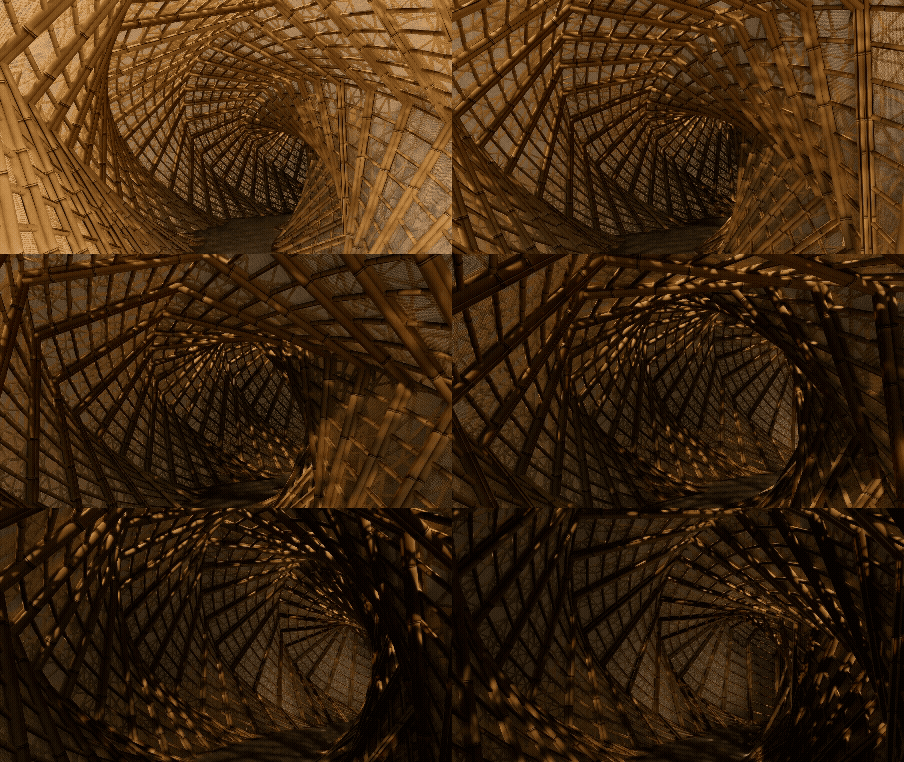
Visitors enter through a circular portal—a threshold structure of FSC-certified engineered bamboo with a jute skin in junta perdida (lost-end) weave and hexagonal frame system, designed in collaboration with Fundación Organizmo. A slow intention walk guided by subtle sound, scent, and vibration prepares the body and mind.


At the center, a geodesic dome holds a 360-degree projection of one of the oldest protected sections of the Amazon rainforest at sunset—a dense canopy of sound alive with movement, breath, and unseen life. Visitors recline on a suspended communal hammock. As the sun sets, a structured vision emerges on its own projection plane, appearing within the silhouette of the night forest rather than replacing it.


As night deepens, the vision begins, a wordless ritual in four movements: Shadow, Community, Abstraction, and Return. Frequencies tuned to the rhythms of breath and heartbeat travel through the cable-net hammock’s tactile transducers, aligning the body with the forest’s own pulse. CURA is not a film you watch; it’s a ceremony you enter.

CURA is a full-body, multi-sensory installation where architecture, sound, and image merge into a single ceremonial experience.

Visitors enter through a circular portal—a threshold structure of FSC-certified engineered bamboo with a jute skin in junta perdida (lost-end) weave and hexagonal frame system, designed in collaboration with Fundación Organizmo. A slow intention walk guided by subtle sound, scent, and vibration prepares the body and mind.


At the center, a geodesic dome holds a 360-degree projection of one of the oldest protected sections of the Amazon rainforest at sunset—a dense canopy of sound alive with movement, breath, and unseen life. Visitors recline on a suspended communal hammock. As the sun sets, a structured vision emerges on its own projection plane, appearing within the silhouette of the night forest rather than replacing it.


As night deepens, the vision begins, a wordless ritual in four movements: Shadow, Community, Abstraction, and Return. Frequencies tuned to the rhythms of breath and heartbeat travel through the cable-net hammock’s tactile transducers, aligning the body with the forest’s own pulse. CURA is not a film you watch; it’s a ceremony you enter.

Digital Prints via ROOT

Digital Prints via ROOT

CURA is Rooted. Beyond the physical installation, CURA travels through its Digital Edition: 200 fractional prints, each carrying a 4K single-channel work with spatial sound, distributed through an open-source infrastructure built with Number 0 and The Starfish Foundation, funded by the Doris Duke Foundation.

Revenue from each print runs through ROOT: forty percent to Digital Print Holders, thirty percent to the Cofán of Campo Alegre and the Nomanawa clan of the Noke Koi, our Indigenous co-authors, and thirty percent to the artist and collaborator pool. The Print Holders’ and collaborators’ shares end once recouped. Our co-authors’ share does not end, it continues for as long as the work circulates, with no cap.

91 of 200 Digital Prints are available at $1,000 each.

CURA is Rooted. Beyond the physical installation, CURA travels through its Digital Edition: 200 fractional prints, each carrying a 4K single-channel work with spatial sound, distributed through an open-source infrastructure built with Number 0 and The Starfish Foundation, funded by the Doris Duke Foundation.

Revenue from each print runs through ROOT: forty percent to Digital Print Holders, thirty percent to the Cofán of Campo Alegre and the Nomanawa clan of the Noke Koi, our Indigenous co-authors, and thirty percent to the artist and collaborator pool. The Print Holders’ and collaborators’ shares end once recouped. Our co-authors’ share does not end, it continues for as long as the work circulates, with no cap.

91 of 200 Digital Prints are available at $1,000 each.

BECOME A DIGITAL COLLECTOR

the path ahead

Q2-4 2026

Q2-4 2026

After a successful Kickstarter campaign in 2025, we are editing and prototyping through March 2027.

We will complete the final phase of fieldwork.

After a successful Kickstarter campaign in 2025, we are editing and prototyping through March 2027.

We will complete the final phase of fieldwork.

After a successful Kickstarter campaign in 2025, we are editing and prototyping through March 2027.

We will complete the final phase of fieldwork.

Q1 2027

Q1 2027

Lock image, sound design, fourteen-channel mix, and ceremonial tuning. CURA enters its build phase, ready to be shared with the world. Open studios February and March 2027.

Lock image, sound design, fourteen-channel mix, and ceremonial tuning. CURA enters its build phase, ready to be shared with the world. Open studios February and March 2027.

Lock image, sound design, fourteen-channel mix, and ceremonial tuning. CURA enters its build phase, ready to be shared with the world. Open studios February and March 2027.

Q2 2027

Q2 2027

Tour-ready, with New York premiere August to October 2027.

Tour-ready, with New York premiere August to October 2027.

Tour-ready, with New York premiere August to October 2027.

Join us in bringing CURA to life.

Join us in bringing CURA to life.

Join our growing circle of co-conspirators, support the work, and request materials, all through one form.

Join our growing circle of co-conspirators, support the work, and request materials, all through one form.

Contributions above $250 are tax-deductible through our fiscal sponsor.

Stay Connected to the Journey

Stay Connected to the Journey

Sign up for occasional updates about CURA, future installations,
and ways to support the project, the rainforest, and her guardians.

Sign up for occasional updates about CURA, future installations, and ways to support the project, the rainforest, and her guardians.

Sign up for occasional updates about CURA, future installations, and ways to support the project, the rainforest, and her guardians.

Cosmological and ceremonial co-authors of the work

Cosmological and ceremonial
co-authors of the work

The Nomanawa Clan of the Noke Koi, Acre (Brazil)

The Nomanawa Clan of the Noke Koi, Acre (Brazil)

The Nomanawa, traditionally known as the Juriti Bird Clan, are an Indigenous nation living at the remote end of the Tauari River in Acre, Brazil. Guided by their master healers, the Romeya Pajés, and their song keepers, the Txanas, they have preserved their native language, Nokevana, and ancestral forest knowledge across generations. Severe drought has lowered the Tauari River, their only route to medical care, clean water, and supplies, and encroaching cattle ranching and farming threaten their remaining land. Organized under the Noke Koi Federation, they are mapping and defending their territory to protect what remains.

Cacique Yama Nomanawa (Noke Koi cacique and healer)

Cacique Yama Nomanawa (Noke Koi cacique and healer)

General chief of the Tauari Region of the Noke Koi people and president of the Noke Koi Federation, Cacique Yama is a respected spiritual and political leader who has dedicated his life to preserving ancestral traditions and passing that knowledge to future generations. He also serves as vice-president of Vozes da Floresta. At a time when farming and cattle ranching is pushing deeper into Indigenous territories, his leadership is a living act of resistance, protecting both land and lineage.

The Cofán of Campo Alegre, Putumayo (Colombia)

The Cofán of Campo Alegre, Putumayo (Colombia)

One of the oldest Indigenous cultures in the Northwest Amazon, the Cofán (A'i) are internationally recognized leaders in Indigenous-led conservation, defending more than a million acres of ancestral rainforest. Their language, A'ingae, carries generations of ecological knowledge, and yagé sits at the center of their spiritual and community life. Their territory in Putumayo sits deep within war-torn land, surrounded by narco-traffickers and multinational oil and mining interests.

Taita Enrique Lucitante (Cofán healer and elder)

Taita Enrique Lucitante (Cofán healer and elder)

Taita Enrique began his spiritual apprenticeship at the age of 12, studying under the guidance of elder shamans to learn the ancient language of the forest, its plant medicines, animal energies, and protective spirits. Over six decades later, his mission is clear: to pass this wisdom on to his children and ensure that the Cofán healing traditions survive. He is the oldest living Taita in Colombia and leads the Campo Alegre resguardo, home to one third of the living Cofán in Colombia and one of their most important cultural and educational hubs.

Abuela Vitelia Criollo (Cofán healer and elder)

Abuela Vitelia Criollo (Cofán healer and elder)

Since childhood, Abuela Vitelia has devoted herself to mastering the traditional plants, songs, and ceremonies of her people. Now one of the most respected elders in her community, she holds a rare distinction: she is the only woman in her community entrusted to guide yagé ceremonies, an extraordinary honor in a lineage historically led by men.

Taita Universario Queta (Cofán healer and elder)

Taita Universario Queta (Cofán healer and elder)

Living in the Santa Rosa del Guamuéz resguardo in Putumayo, Taita Universario studied for years in Campo Alegre with elder healers before earning the right to lead yagé ceremonies in his own community. His profound connection to the forest's spiritual realm and its abundant medicines guides his work. Today, he is widely regarded as one of the most trusted and revered healers among the Cofán.

The Collaborators
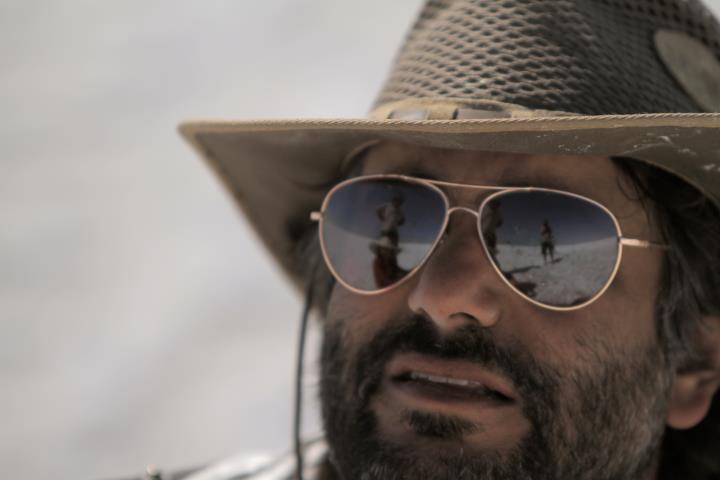
Mahyad Tousi, Artist, Director, producer

Mahyad Tousi, Artist, Director, producer

A multidisciplinary artist working across contemporary art, immersive media, and Hollywood. His most recent work, REMOTE, co-created with Mika Rottenberg premiered at Tate Modern, has travelled the world, and is held in the permanent collections at Tate, Moderna Museet, and the Louisiana Museum of Modern Art. His video and installation collaborations have been shown at the Whitney Biennial, Art Basel, and institutions worldwide. He began as a conflict-zone documentarian across more than fifty countries and has written and produced multiple TV shows and films. Raised in Tehran during the Iranian Revolution, he emigrated as a teenager and has called New York home for three decades. He founded Starfish, an arts nonprofit that supports mid-career artists breaking new ground, and serves on the advisory board of MIT’s Center for Advanced Virtuality. His collaboration with Rottenberg continues with PINK, premiering in 2028 at Fotografiska Berlin, Art Cologne, and Hauser and Wirth.
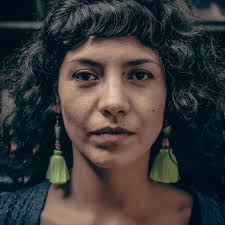
Irazema Vera, Sound Artist, Composer

Irazema Vera, Sound Artist, Composer

Sound artist, musician, and composer whose practice bridges ancestral ceremonial music with contemporary spatial sound design. As an Indigenous Aymara artist from Peru, her research centers on Indigenous sonic epistemologies, exploring how sound carries memory, territory, and healing across Andean and Amazonian contexts. Irazema's work spans field recording, composition, sound engineering, live performance, and installation, with a focus on making audible the delicate relationships between land, community, and cosmology. For CURA, she is composing a specialized 14.2-channel spatial soundscape. Her work has been presented across Peru, Colombia, the United States, and internationally throughout Europe and Oceania.

ANA MARÍA GUTIÉRREZ, LEAD ARCHITECT

ANA MARÍA GUTIÉRREZ, LEAD ARCHITECT

Colombian architect, educator, and co-founder of Fundación Organizmo, based in Bogotá and working deeply within rural Colombia. She specializes in Indigenous and traditional building techniques. Recognizing an urgent need to revitalize vernacular architecture, she has spent two decades building spaces where infrastructure invites an active dialogue with the living world. For CURA, she leads the design and fabrication of the portal, expanding her lifelong dedication to low-impact, territory-driven architectural craft.

Producers, research, and advisory

Dominic Musacchio, Producer

Dominic Musacchio, Producer

Seasoned documentarian whose work appears on Netflix, Hulu, BBC, CNN, Discovery, and Vice. Specializes in immersive filmmaking that dissolves cultural boundaries. His international experience provides crucial support for complex Amazon shoots.

Maria Gabriela GÓmEz, Producer

Maria Gabriela GÓmEz, Producer

A daughter of the forest, Maria Gabriela was born and raised in Leticia, Amazonas, and a trilingual filmmaker, journalist, chef, and producer. She has focused on vulnerable populations, social development and cultural preservation with extensive production experience and contacts across the Amazon.
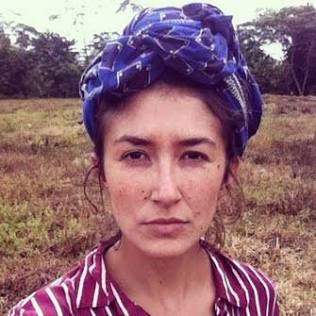
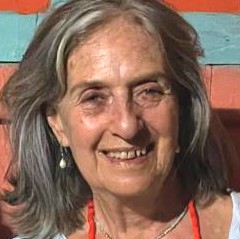
MARIA ELVIRA MOLANO, ANTHROPOLOGIST, ADVISOR

MARIA ELVIRA MOLANO, ANTHROPOLOGIST, ADVISOR

Biodiversity conservation specialist in the protection of traditional Indigenous knowledge across Colombia, Ecuador, Peru, and Venezuela. 

JENNIFER SOLORIO, Associate Producer

JENNIFER SOLORIO, Associate Producer

A Mexican American producer based in New York City. She has worked on several films and series for PBS, VICE, and A&E. She enjoys working on projects that seek answers where answers may not be easily found.

technical collaborators

CLAUDIA VALLEJO, ARCHITECT

CLAUDIA VALLEJO, ARCHITECT

Colombian architect based in Mexico whose practice explores architecture as a dialogue between nature, material, and place. Through parametric design, biomimicry, and the conscious use of local and natural materials—particularly bamboo—she develops spatial systems that respond sensitively to their context.

CARLOS ANCALMO, Conceptual designer

CARLOS ANCALMO, Conceptual designer

Concept artist whose visual storytelling has shaped projects for Darren Aronofsky’s Protozoa Pictures, MSG Sphere, Google Events & Experiences, Wired Magazine, The Mill, BBDO, and leading studios such as Psyop and Imaginary Forces.

Image and Sound Collaborators
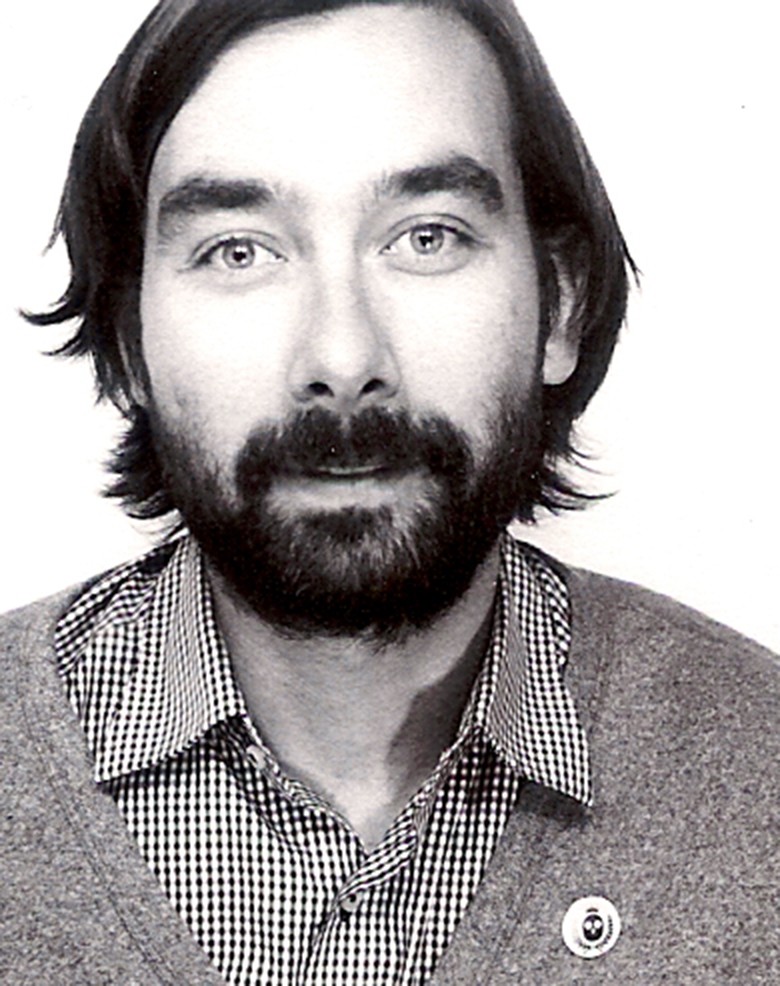
Matt Nauser, Cinematographer

Matt Nauser, Cinematographer

An award-winning visual artist and cinematographer of film and TV, including Crows Are White (2022)—whose practice merges narrative techniques with documentary form to expand the boundaries of non-fiction storytelling.

Javier Manzano, Cinematographer

Javier Manzano, Cinematographer

Seven-time Emmy winner with visual language shaped across 50 countries. Recognized with Peabody and two BAFTA nominations. His photojournalistic background brings intimate, unvarnished perspective essential for capturing both beauty and devastation.
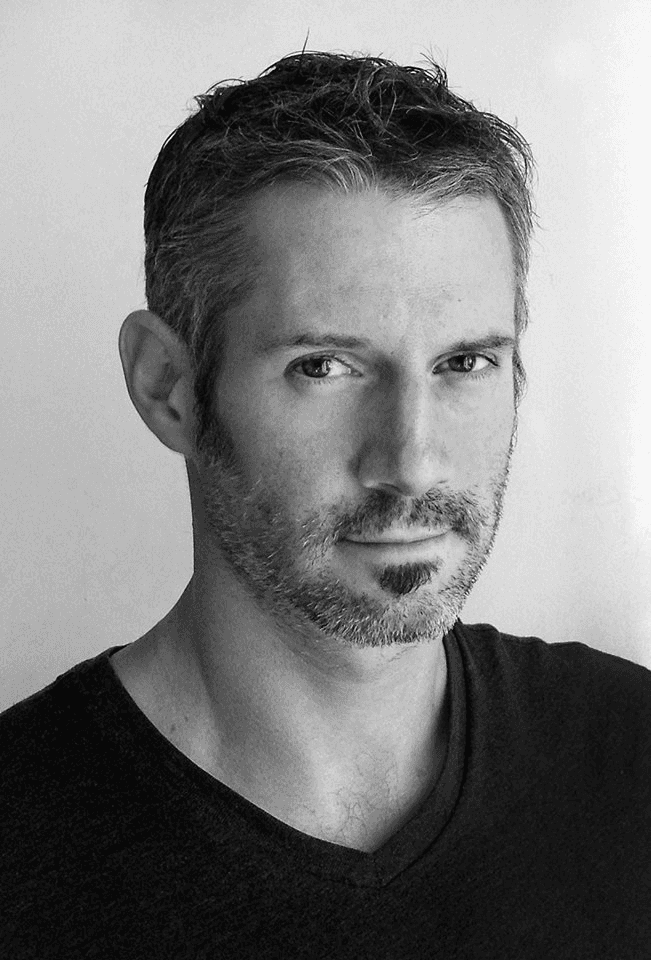
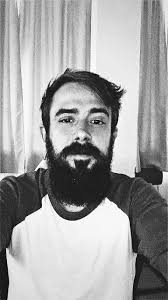
Bruno Lasevicius, Editor

Bruno Lasevicius, Editor

Brazilian artist whose decade-long New York practice includes Academy Award-nominated The Edge of Democracy (2020). His dialectic, intuitive approach creates compelling narratives that challenge and inspire.

Jaime Alejandro Pinilla, field sound recordist

Jaime Alejandro Pinilla, field sound recordist

Field recordist whose work includes Juyeko Humboldt and Paristopia. He captured the forest recordings that form the acoustic foundation of CURA.

Sponsors & Partners

Sponsors & Partners

CURA is Rooted. A work owned by its makers, funded by its community, and sustained, always, in reciprocity, its earnings flowing back to the ground that grew it.

This work-in-progress honors the privacy and cultural integrity of all participants.

ROOT is a project of The Starfish Foundation and Number 0, with lead support from the Doris Duke Foundation.

CURA is Rooted. A work owned by its makers, funded by its community, and sustained, always, in reciprocity, its earnings flowing back to the ground that grew it.

This work-in-progress honors the privacy and cultural integrity of all participants.

ROOT is a project of The Starfish Foundation and Number 0, with lead support from the Doris Duke Foundation.

© 2026 Mahyad Tousi and Limpia Productions LLC.

© 2026 Mahyad Tousi and Limpia Productions LLC.